Tradition

Encrypted in Music

People call music a language. But what does it say? For some, it’s pure sound — free of words and meanings. For others, it’s a system of signs that can carry secrets. For centuries, composers have slipped codes into their scores. What did they hide, how did they do it, and — most importantly — why?

Origins

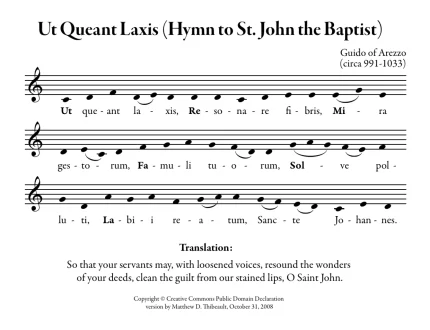
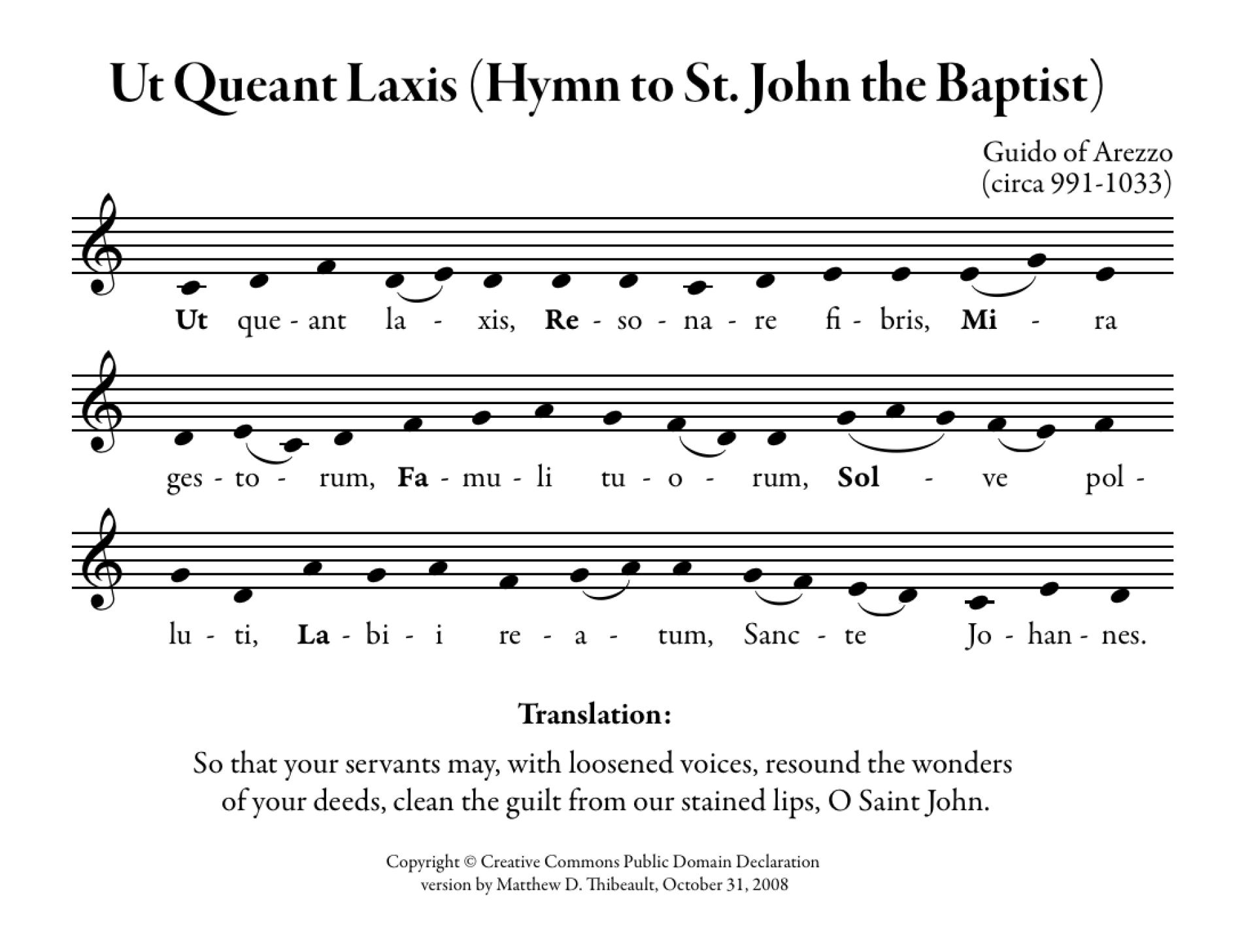
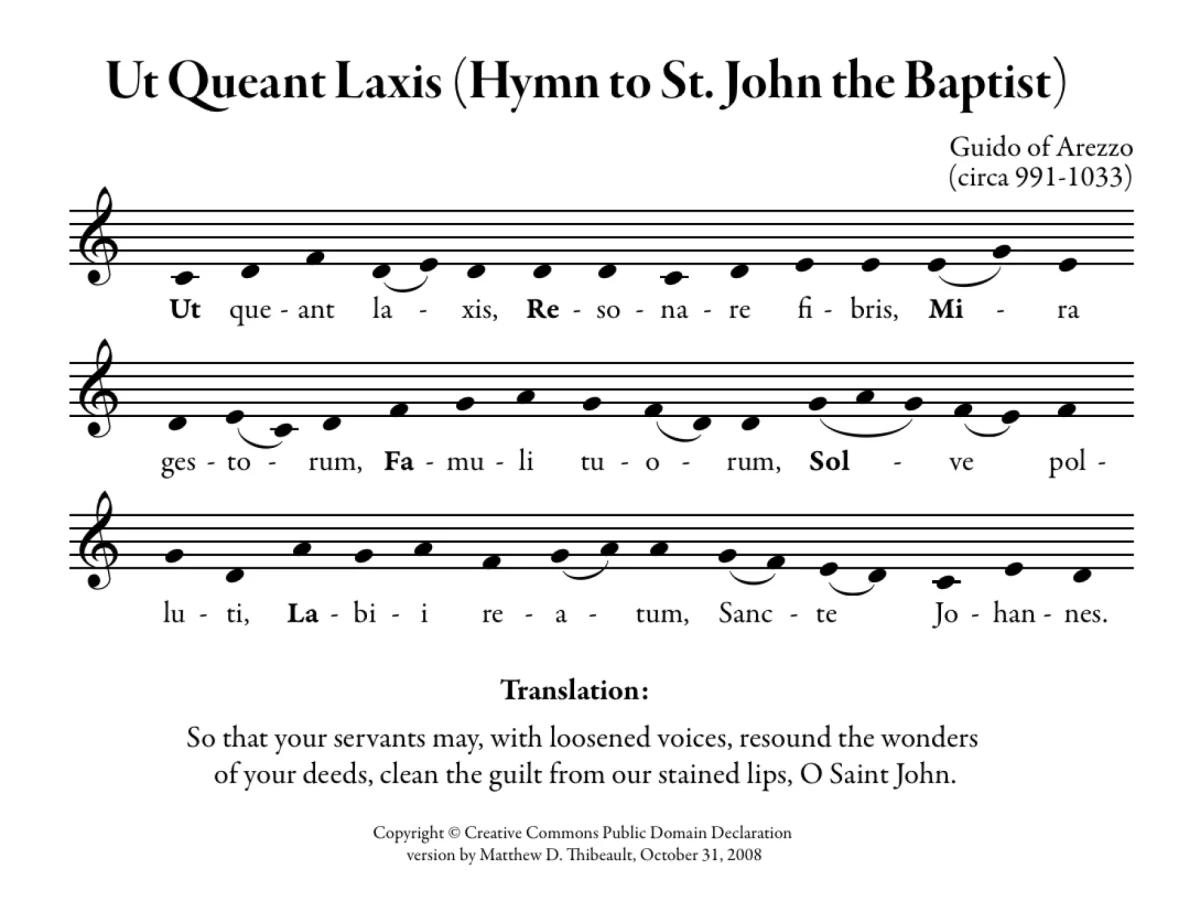
Hidden messages arrive with notation itself. In the 11th century, the monk Guido d’Arezzo streamlined how singers learned music. He lifted the opening syllables of a hymn to St. John the Baptist — Ut queant laxis resonare fibris… — and turned them into the scale: Ut, Re, Mi, Fa, Sol, La, Si. Born from a prayer about purifying and inspiring the voice, these labels made each pitch carry both sound and sense.

Guido d’Arezzo. Modern reconstruction of the Ut–Re–Mi scale based on the hymn Ut queant laxis.

Guido d’Arezzo. Modern reconstruction of the Ut–Re–Mi scale based on the hymn Ut queant laxis.

Gustavus Selenus (1624)

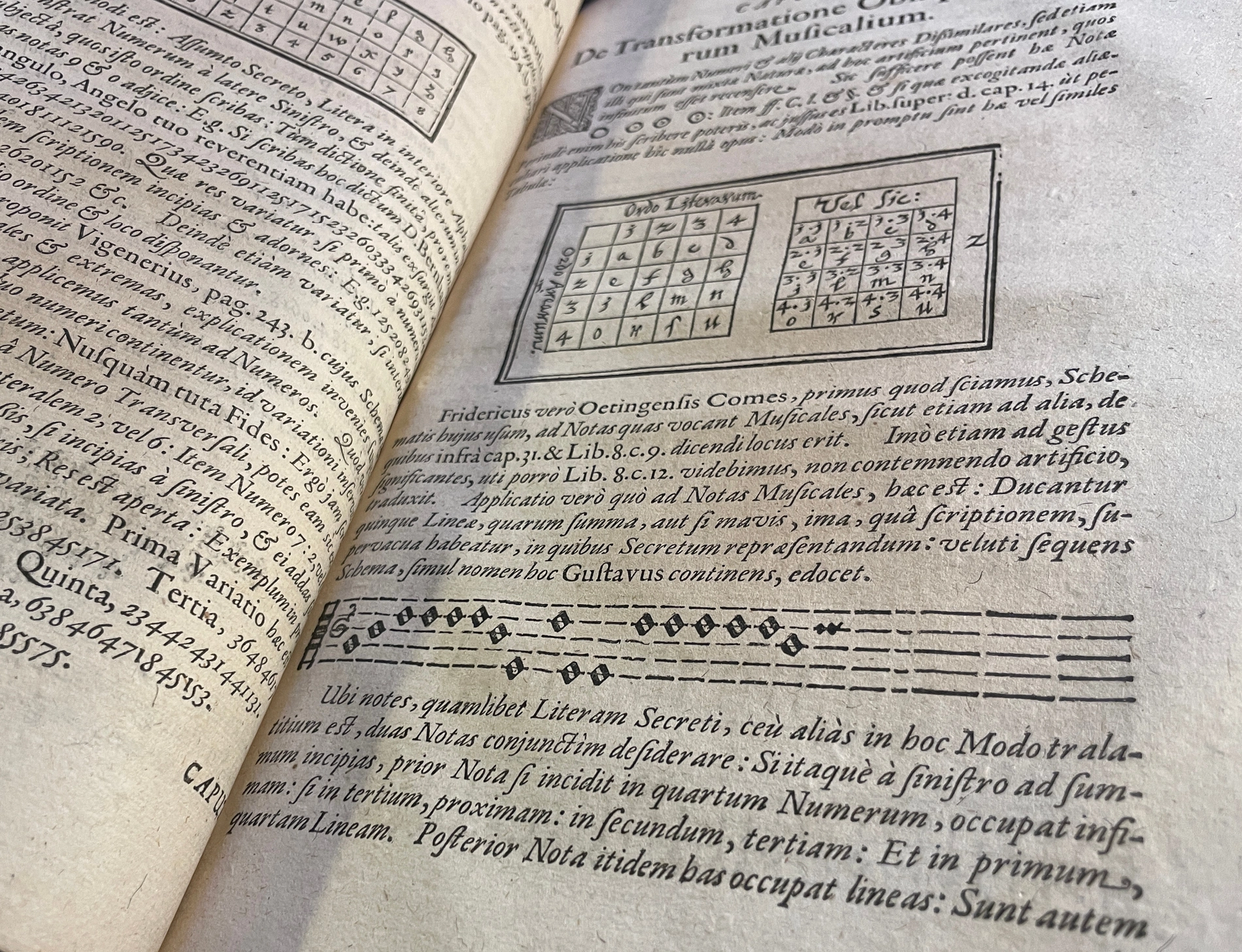
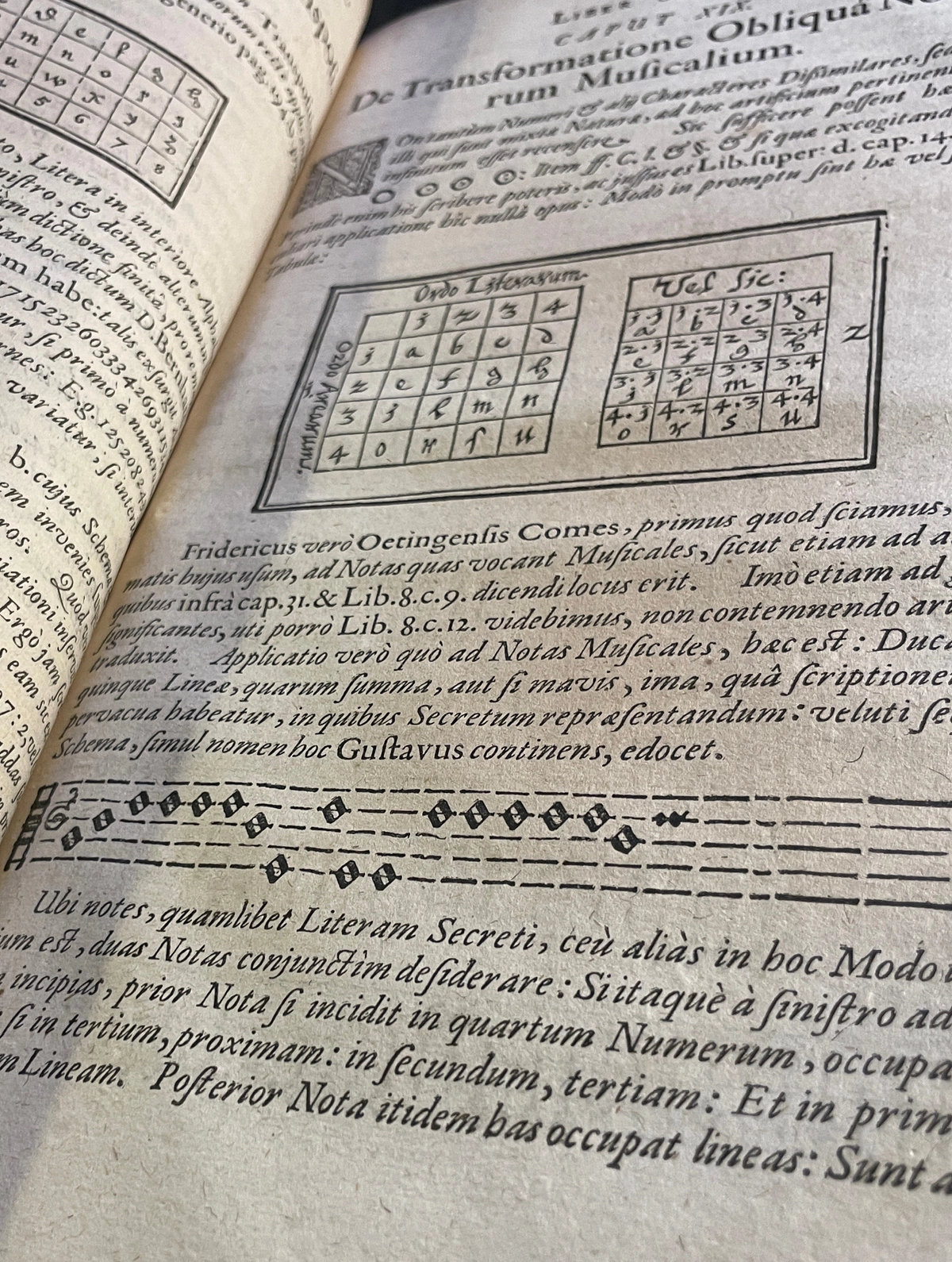
In 1624, Duke Augustus of Brunswick-Lüneburg — writing as Gustavus Selenus — published Cryptomenytices et Cryptographiae Libri IX, among Europe’s first encyclopedias of ciphers. It even included a rare chapter on musical codes.

Selenus mapped letters not to pitches but to intervals. In one example, a bland-looking phrase masks a clear warning: “Beware your servant Hansen: Daner will strangle you at night”. Amid the Thirty Years’ War, a musical line could pass as innocent notation while carrying a covert message.

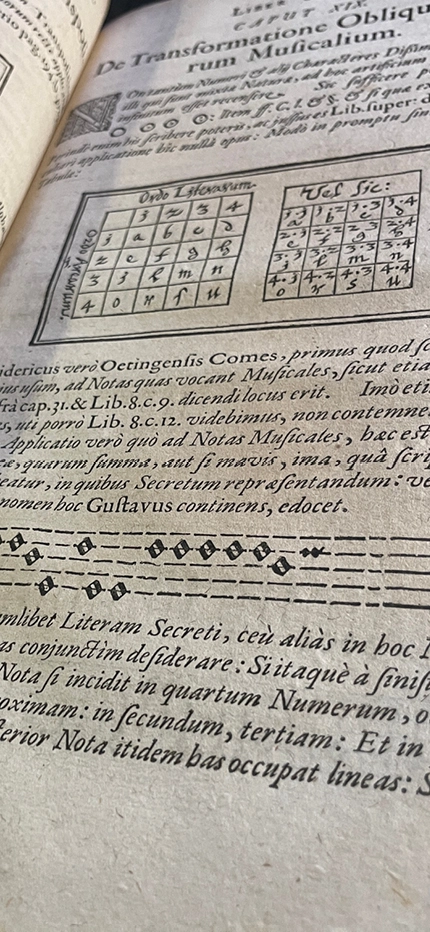
Gustavus Selenus. Cryptomenytices et Cryptographiæ, Libri IX. Lüneburg, 1624.

Gustavus Selenus. Cryptomenytices et Cryptographiæ, Libri IX. Lüneburg, 1624.

Johann Sebastian Bach:
The Name and the Hidden Theology

In the German and English traditions, notes are designated by letters of the Latin alphabet — A, B, C, D, E, F, G, H, and Es. Bach used this principle to create his own musical monogram: the motif B–A–C–H (B♭–A–C–B) became his signature and one of the central themes of The Art of Fugue (1742–1749).

Beyond this, Bach employed more complex methods of encryption. In Contrapunctus V of The Art of Fugue he turns to gematria —
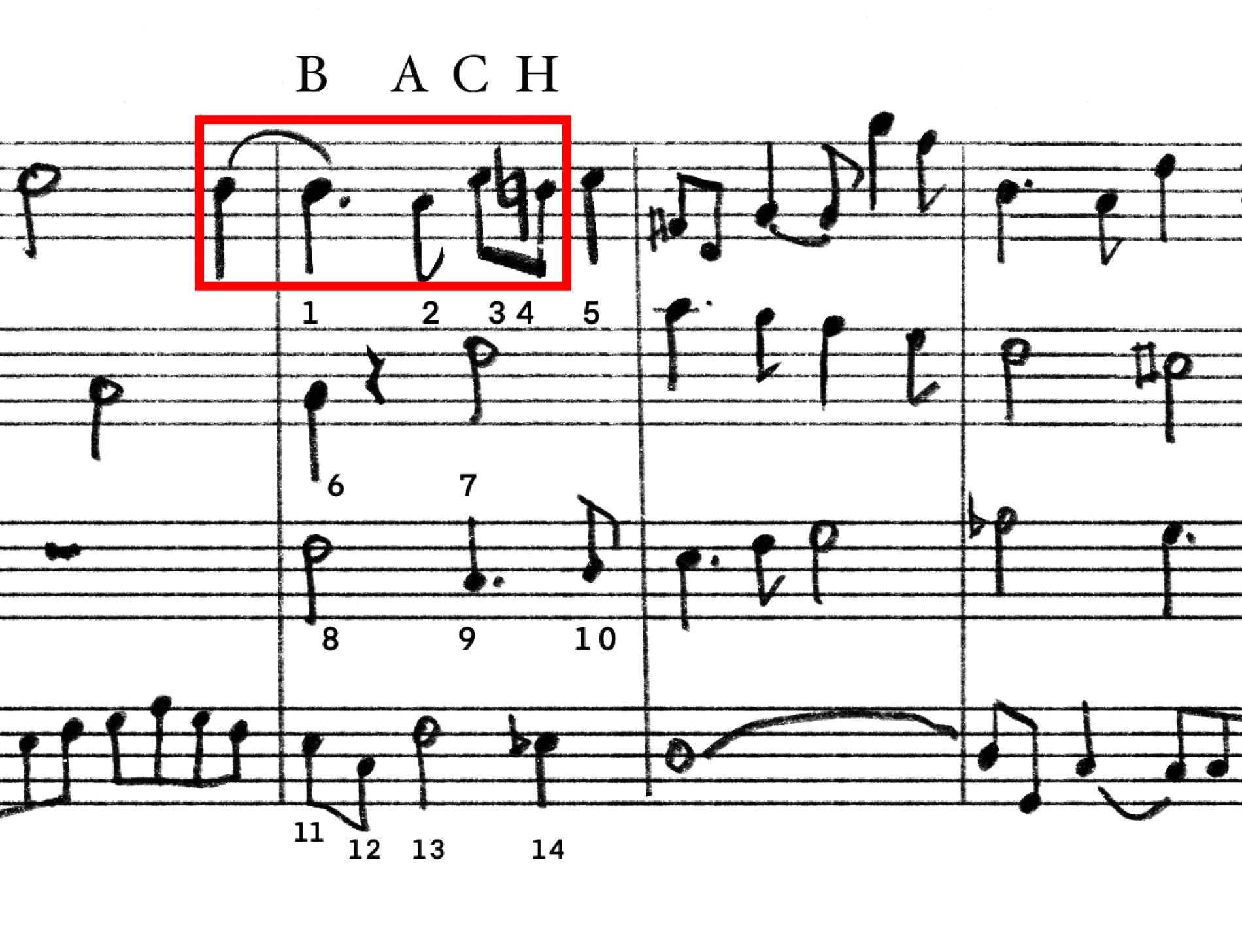
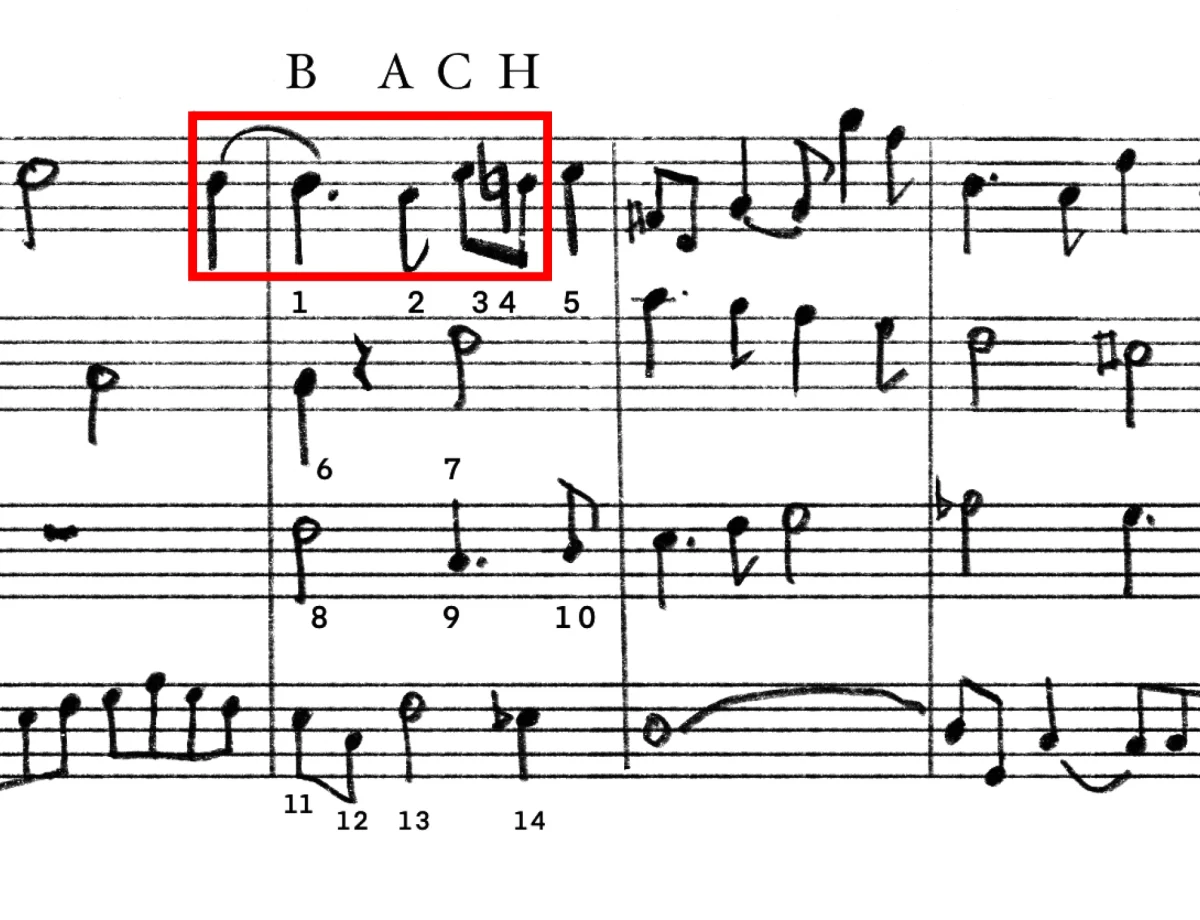
a system in which letters and numbers are written with the same signs (A–1, B–2, C–3), so each word can be read as a sequence of numbers. The “gematria of a word” is the sum of the numeric values of its letters. Applying this to his own name — B(2) + A(1) + C(3) + H(8) — Bach obtained the number 14; with the initials “J. S. Bach” the total is 41. In Contrapunctus V this proportion is realized literally: in bar 41 we hear 14 notes, among which the B–A–C–H motif appears. The composer’s name thus becomes part of the musical structure — a hidden signature woven into the fabric of the piece.

Musicologist Ulrich Siegele showed that in Duetto No. 2 in F major (1739) Bach pushes further. There he encodes not his name but theological ideas. The length of phrases, measured in bars, aligns with the gematria of terms from the Lutheran Catechism — “faith”, “cross”, “salvation”, “rebirth”, and more. No listener could “hear” this. Bach knew that. For him, composition could be private devotion; discovery was optional.
J. S. Bach, The Art of Fugue, Contrapunctus V — bar 41 containing 14 notes and the B–A–C–H motif.

J. S. Bach, The Art of Fugue, Contrapunctus V — bar 41 containing 14 notes and the B–A–C–H motif.

Romanticism:
Encoded Sentiments

In the 19th century, codes turn inward. Brahms and friends adopt lettered mottos — F–A–E (Frei aber einsam, “Free but lonely”) and F–A–F (Frei aber froh, “Free but happy”). Liszt builds a fugue on B–A–C–H.

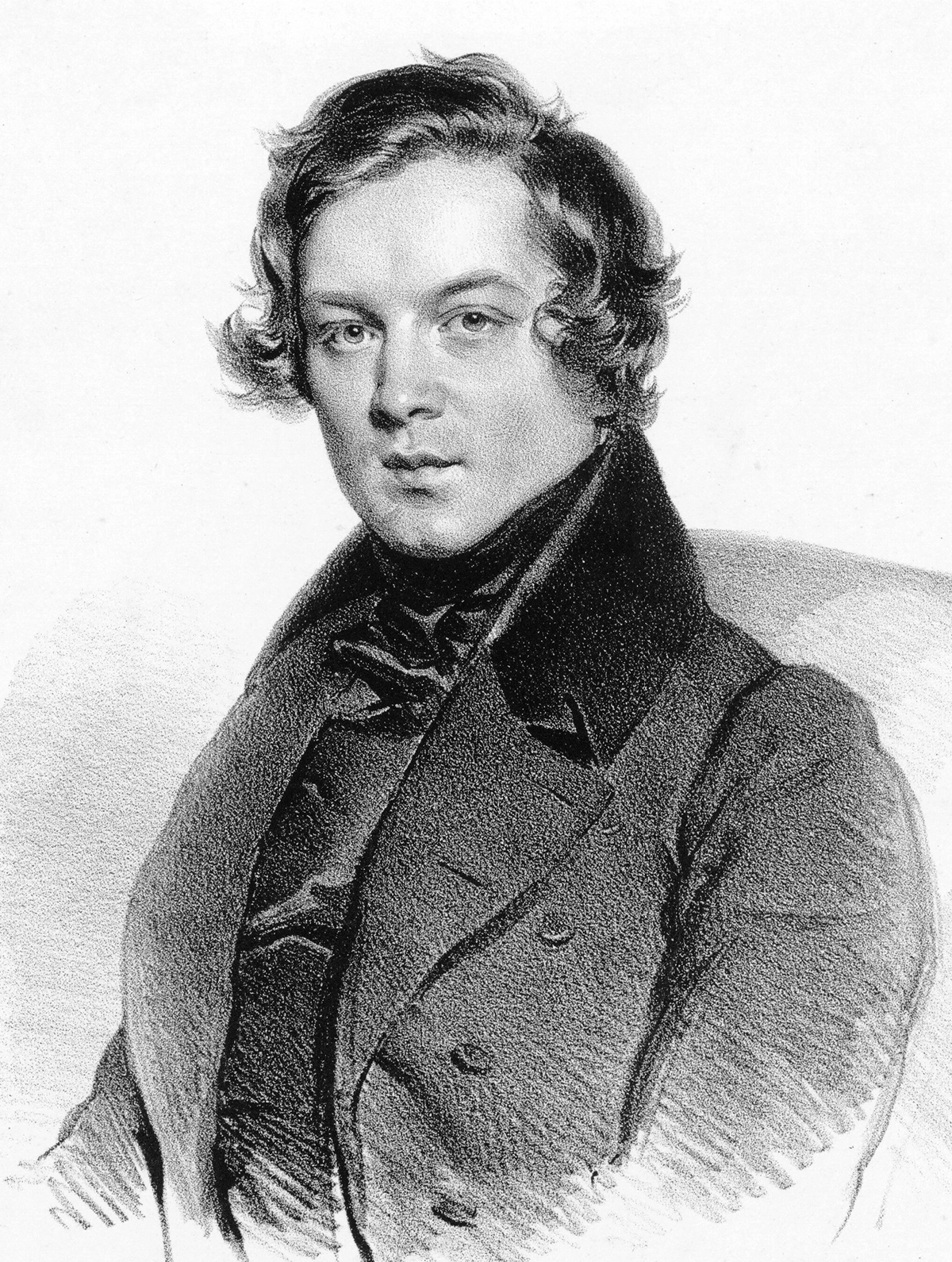
With Robert Schumann, the cipher becomes a love story. In Carnaval (1834) he spells his fiancée Ernestine von Fricken’s hometown — ASCH — using A–E♭–C–B in the German system. Reordered, the same letters yield SCHA — Schumann. Thus, a love story becomes a double cipher, two lives joined in a single melody.

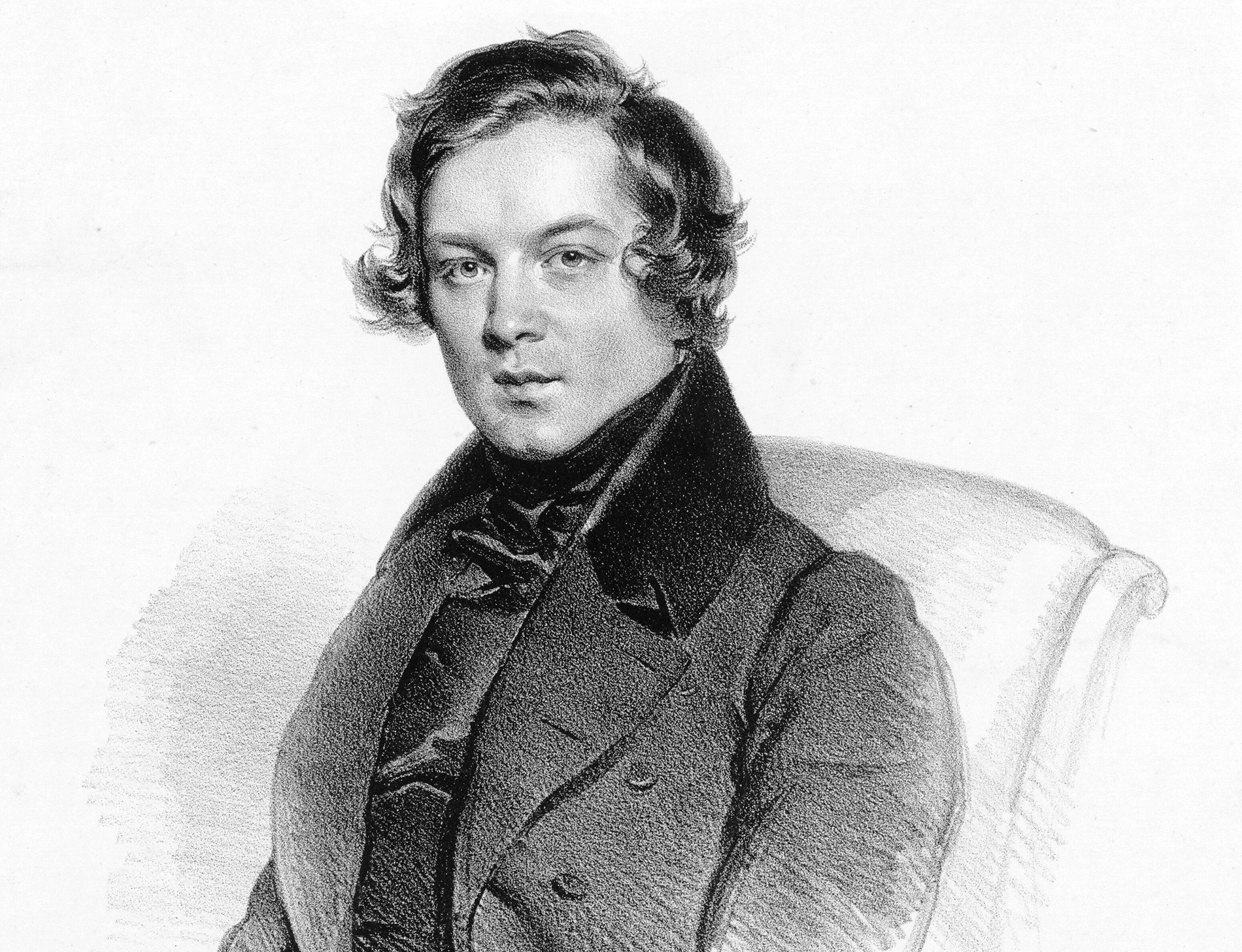
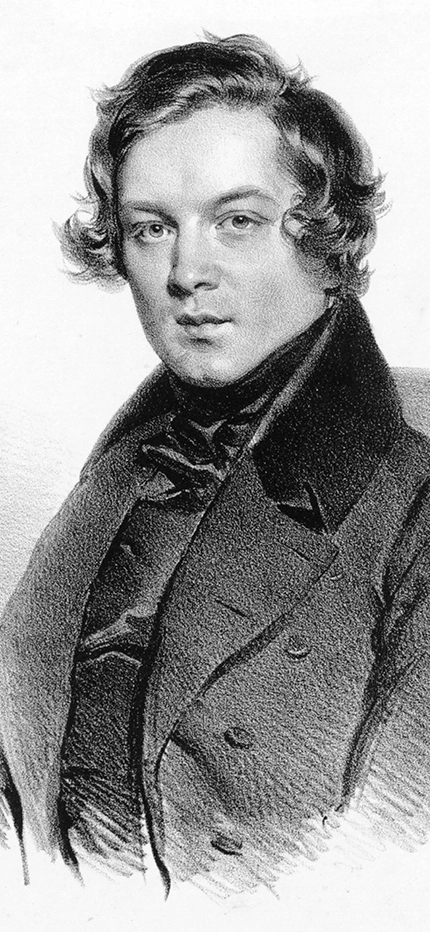
Robert Schumann. Lithograph by Josef Kriehuber, 1839. Public domain.

Robert Schumann. Lithograph by Josef Kriehuber, 1839. Public domain.

Shostakovich:
Autobiography in Music

In 1960, Dmitri Shostakovich wrote his String Quartet No. 8 in Dresden. The dedication reads “to the victims of fascism and war”, but in a letter to Isaak Glikman he admitted it could just as well say, “To the memory of the author of this quartet”.

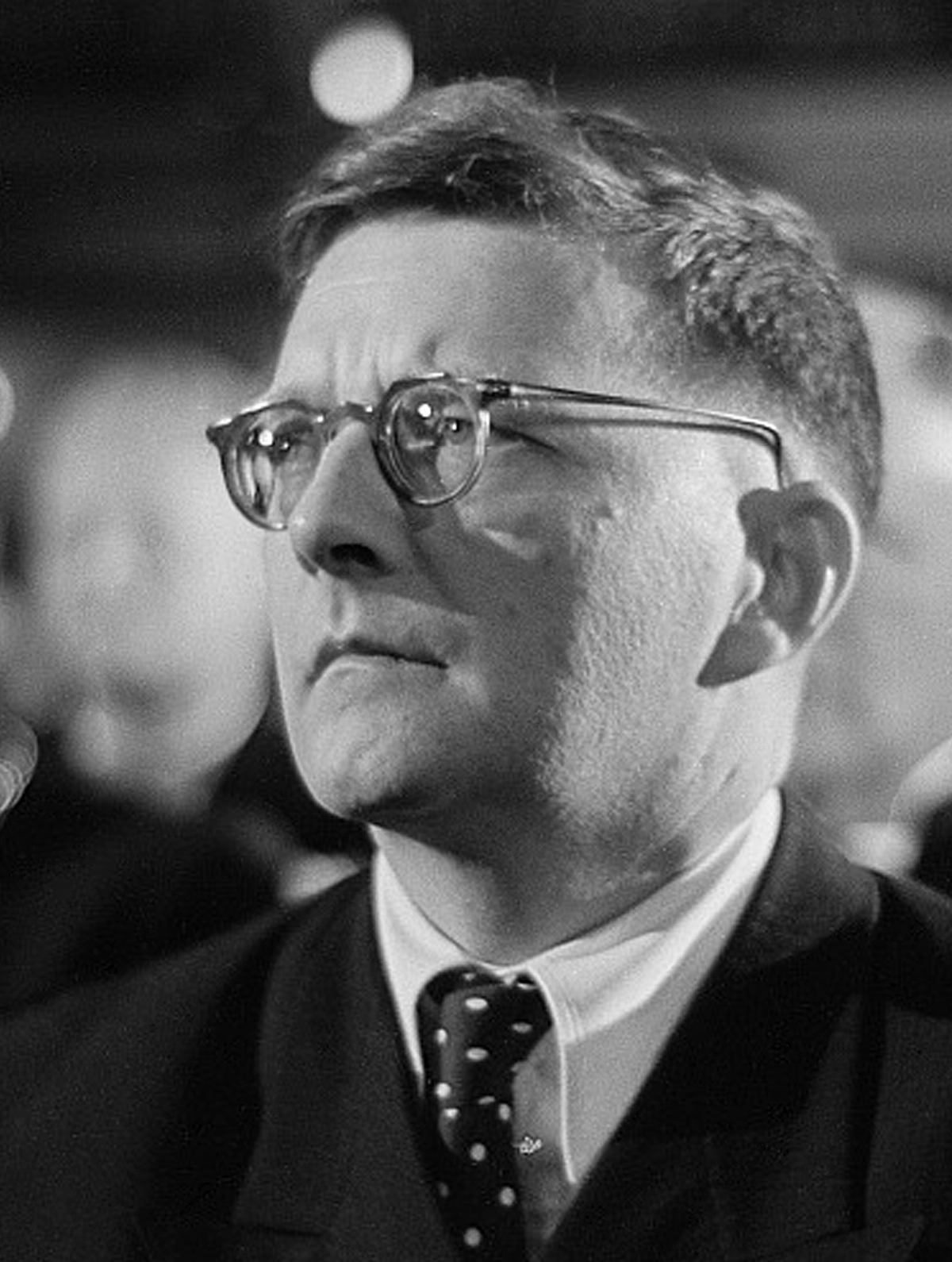
The piece rides a five-note stamp — D–D–Es–C–H — spelling Dmitri Dmitrievich Shostakovich. That “I” theme threads the work, generating and reshaping quotations from the symphonies, Lady Macbeth of the Mtsensk District, The Fall of Berlin, and even a revolutionary song. Unlike Bach, he doesn’t hide his code; he declares it — autobiography fixed in sound.

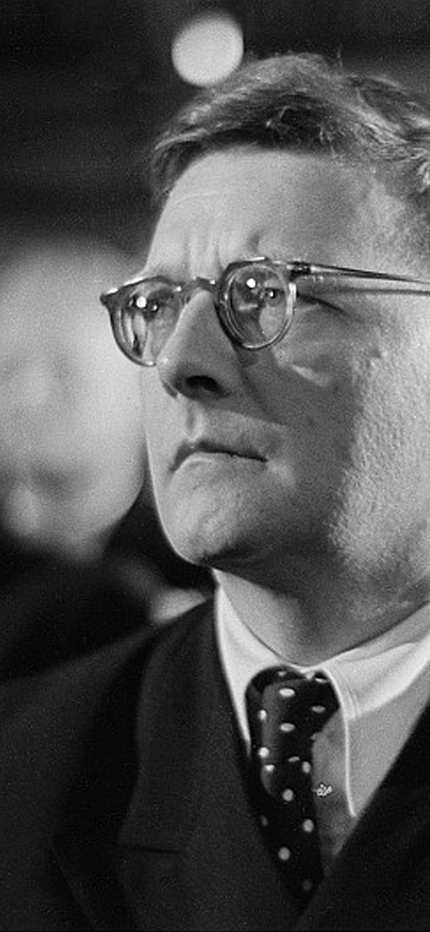
Dmitri Shostakovich. Photograph by Roger & Renate Rössing, Leipzig, 1950.

Dmitri Shostakovich. Photograph by Roger & Renate Rössing, Leipzig, 1950.

Gubaidulina:
Code as Method

Sofia Gubaidulina — one of the defining voices of the postwar era — lets number and proportion shape form. In Offertorium (1980) and Stimmen… Verstummen… (1986) you hear Fibonacci sequences, mirror symmetries, and biblical symbolism.

This isn’t message as confession; it’s message as method. Here the music evolves according to encrypted numerical principles.

Sofia Gubaidulina in Sortavala, 1981. Photograph by Dmitri Smirnov.

Sofia Gubaidulina in Sortavala, 1981. Photograph by Dmitri Smirnov.

Selenus:
Music Found in a Name

In the Selenus project, Oleg Troyanovsky restores the personal nature of the musical cipher in a new form. A person’s name and date of birth are converted into a code by the principle of gematria, as in Bach — but without numerology. Using an original cipher, the composer translates numbers into notes and develops them into a unique piano work. The creation of the code becomes a search for the melody hidden in names and dates.

Each first and last name together with a date yields a unique melody of 8–12 notes — the foundation of a piano piece. The music gradually develops, yet the basic theme remains recognizable and unchanged. Selenus is not a musical portrait of a person. It is a name turned into music.

We use cookies to improve the performance of our website and enhance your browsing experience.